

Innovative Warehouse Solutions Transforming India
- May 5
- 4 min read
Updated: 5 days ago
The warehousing landscape in India is undergoing a remarkable transformation. As the country’s economy grows and supply chains become more complex, traditional storage methods no longer suffice. I have observed firsthand how innovative warehouse solutions are reshaping the industry, making operations more efficient, cost-effective, and scalable. This shift is not just a trend but a necessity for businesses aiming to stay competitive in today’s fast-paced market.
Embracing Innovative Warehouse Solutions for Modern Needs
The rise of e-commerce, globalization, and changing consumer expectations have pushed warehouses to evolve. Innovative warehouse solutions now integrate technology, automation, and smart design to optimize space and streamline processes. These solutions include automated storage and retrieval systems (AS/RS), robotics, Internet of Things (IoT) sensors, and advanced warehouse management software.
For example, automated guided vehicles (AGVs) can transport goods within a warehouse without human intervention, reducing labor costs and errors. IoT sensors monitor inventory levels in real-time, enabling just-in-time replenishment and minimizing stockouts or overstocking. These technologies work together to create a seamless flow of goods from arrival to dispatch.
Such advancements are particularly relevant in India, where warehouses must handle diverse product categories and fluctuating demand. By adopting innovative warehouse solutions, businesses can improve accuracy, speed, and safety while reducing operational costs.
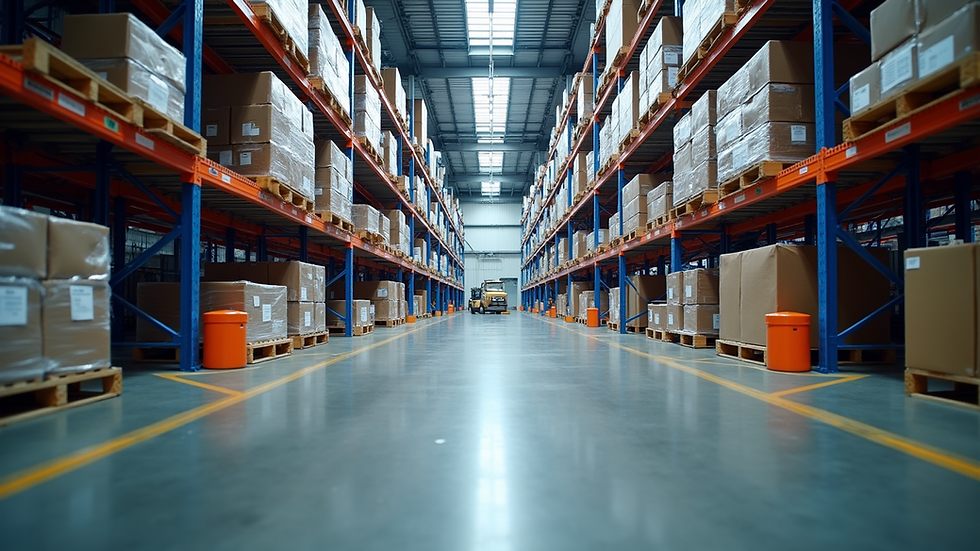
The Role of Smart Warehousing Solutions in India’s Growth
India’s logistics sector is a critical driver of economic development, and smart warehousing solutions play a pivotal role in this growth. These solutions leverage data analytics, cloud computing, and AI to enhance decision-making and operational efficiency. For instance, predictive analytics can forecast demand patterns, helping warehouses prepare for peak seasons or sudden market shifts.
Moreover, smart warehousing solutions enable better space utilization. With urban land becoming scarce and expensive, especially in commercial hubs like Hyderabad, optimizing warehouse layouts is essential. Technologies such as 3D mapping and simulation allow planners to design layouts that maximize storage capacity while ensuring smooth movement of goods.
I have noticed that integrating these smart solutions also improves sustainability. Energy-efficient lighting, climate control systems, and waste reduction practices contribute to greener operations. This aligns with the growing emphasis on environmental responsibility in India’s industrial sectors.
If you want to explore how these advancements can benefit your property investments, consider the impact of smart warehousing solutions india on commercial real estate value and operational efficiency.
What are the top 5 WMS systems?
Warehouse Management Systems (WMS) are the backbone of modern warehousing operations. They provide real-time visibility, control, and coordination of inventory, labor, and equipment. Here are five leading WMS platforms that have gained prominence in India:
Manhattan Associates WMS - Known for its scalability and robust features, it supports complex supply chains and integrates well with automation technologies.
SAP Extended Warehouse Management (EWM) - Offers comprehensive functionality and seamless integration with SAP’s ERP systems, ideal for large enterprises.
Oracle Warehouse Management Cloud - A cloud-based solution that provides flexibility, real-time analytics, and easy deployment.
Blue Yonder (formerly JDA Software) - Focuses on AI-driven optimization and predictive analytics to enhance warehouse productivity.
Infor WMS - Combines warehouse control with labor management and transportation planning, suitable for mid-sized to large operations.
Each system has unique strengths, and the choice depends on specific business needs, scale, and integration requirements. Implementing the right WMS can significantly improve inventory accuracy, reduce order cycle times, and enhance customer satisfaction.

Practical Benefits for Real Estate Investors and Property Owners
For those invested in commercial real estate, especially warehouses, understanding these technological shifts is crucial. Innovative warehouse solutions increase the attractiveness and value of properties by making them more adaptable to modern logistics demands.
Here are some practical benefits:
Higher Tenant Demand: Warehouses equipped with smart technologies attract premium tenants who seek efficiency and reliability.
Increased Rental Yields: Properties with advanced infrastructure command better rental rates due to reduced operational risks and enhanced capabilities.
Future-Proofing Investments: As automation and digitization become standard, properties lacking these features risk obsolescence.
Improved Space Utilization: Smart layouts and automation reduce the need for excessive space, allowing for more compact and cost-effective designs.
Sustainability Credentials: Energy-efficient and eco-friendly warehouses appeal to tenants with corporate social responsibility goals.
By aligning property development and management with these trends, investors can ensure long-term growth and resilience in their portfolios.
Steps to Implement Smart Warehousing Solutions in Your Property
If you own or manage warehouse properties, taking proactive steps to incorporate smart warehousing solutions can set you apart. Here’s a practical roadmap:
Assess Current Infrastructure: Evaluate your warehouse’s layout, technology, and operational workflows to identify gaps.
Engage Technology Experts: Collaborate with consultants or vendors specializing in warehouse automation and management systems.
Plan for Scalability: Choose solutions that can grow with your tenants’ needs and evolving market conditions.
Invest in Training: Ensure that warehouse staff and management are trained to use new technologies effectively.
Monitor and Optimize: Use data analytics to continuously improve warehouse performance and tenant satisfaction.
These steps not only enhance the functionality of your property but also demonstrate your commitment to innovation and quality.
The transformation of warehousing in India is a powerful example of how technology and smart design can revolutionize traditional industries. By embracing innovative warehouse solutions, property owners and investors can unlock new opportunities, increase asset value, and contribute to a more efficient supply chain ecosystem. The future of warehousing is smart, and those who adapt early will lead the way.


Comments